
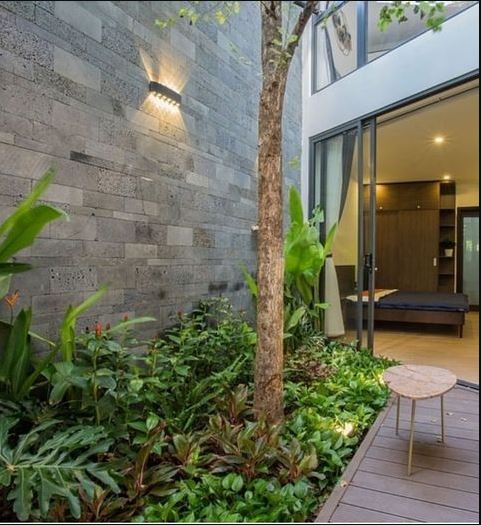
Modern architecture depends on material quality as much as form. Clean lines, geometric volumes, and minimalist facades need texture and depth to avoid looking flat. That is exactly why volcanic stone veneer has become a preferred solution for contemporary residential and commercial projects. If you are an architect, builder, designer, or property owner evaluating facade materials, this guide explains how volcanic stone veneer performs in real projects, where it works best, and how to install it correctly for long-term value. In this guide, you will learn: • What volcanic stone veneer is • Why it works for modern facades • Performance and durability benefits • Best design applications • Installation best practices • Maintenance and lifecycle value • How to choose the right supplier ─── What Is Volcanic Stone Veneer? Volcanic stone veneer is natural stone cut into cladding format for vertical wall applications. Depending on regional terminology, it is also referred to as: • Basalt stone veneer • Lava stone veneer • Cantera-style volcanic veneer In many architectural contexts, these terms overlap and describe a dense volcanic-origin stone with a premium, modern aesthetic. Unlike manufactured veneer, natural volcanic veneer offers authentic mineral variation, depth, and texture that cannot be fully replicated by synthetic products. ─── Why Modern Facades Benefit from Volcanic Stone Veneer Modern architecture is often minimal in ornamentation. Because of that, material selection becomes the main design language. Volcanic veneer supports modern facades in four critical ways. 1) Architectural Texture Without Visual Noise Volcanic veneer provides texture and shadow without looking overly rustic. It keeps the facade clean while adding depth. 2) Strong Contrast with Glass, Stucco, and Metal Deep charcoal and gray tones pair exceptionally well with modern materials like black aluminum, white plaster, and large-format glazing. 3) Timeless Visual Identity Trend-driven finishes often age quickly. Natural volcanic stone tends to look current over time and supports long-term design relevance. 4) Premium Perception High-quality stone cladding elevates curb appeal and can improve market positioning for both luxury homes and commercial buildings. ─── Performance Advantages of Volcanic Stone in Exterior Use Facade materials must do more than look good. They need to perform in heat, moisture, and daily exposure. Durability Volcanic-origin stone is known for density and strength, making it suitable for high-demand exterior conditions. Weather Resistance With proper installation, volcanic veneer performs well under: • High UV • Humidity • Heat cycles • Coastal exposure (with correct detailing and maintenance) Slip-Resistant Texture (for related horizontal applications) While this article focuses on facades, the same stone family is often selected for adjacent hardscape because of natural traction properties. Low Long-Term Degradation Natural stone does not peel like paint systems or fade as quickly as many synthetic finishes. Non-Combustible Material Natural stone supports fire-safe building envelope strategies where non-combustible finishes are preferred. ─── Best Facade Applications for Volcanic Stone Veneer You do not need full facade coverage to get strong results. Strategic placement often delivers the best design impact. Entry Feature Walls A stone-clad entry plane creates immediate visual hierarchy and premium first impression. Vertical Accent Bands Use vertical stone bands to break long elevations and add modern rhythm. Full Front Elevation For signature homes and luxury developments, full coverage produces a bold architectural statement. Courtyard and Side Walls
Extending the stone language into outdoor walls creates continuity and increases perceived project value. Commercial Branding Surfaces Hotels, multifamily, and retail projects use volcanic veneer to create durable, premium-facing architecture. ─── Design Strategy: How to Make It Look Premium Match Scale to Building Proportion Large buildings require broader stone rhythm; smaller homes usually benefit from tighter, cleaner modularity. Keep Joint Design Intentional Joint width and color dramatically affect final appearance. Modern projects usually benefit from controlled, consistent joints. Plan Transitions Early Where veneer meets windows, doors, stucco, or metal trims, transition detailing should be designed before installation starts. Use Lighting to Reveal Texture Grazing lights and uplights make stone depth visible at night and increase architectural drama. Coordinate with Landscape Materials Stone walls should visually align with pavers, coping, planters, and outdoor furniture palette. ─── Installation Guide (Professional Best Practices) A premium material still needs professional execution. Follow these principles for reliable results. 1) Substrate Readiness • Verify structural condition • Confirm wall flatness and load suitability • Correct deficiencies before cladding begins 2) Moisture and Envelope Detailing • Integrate proper weather barrier and flashing • Coordinate movement joints and transitions • Prevent trapped moisture behind cladding system 3) Pre-Layout Before Setting Dry-layout sections to distribute natural variation and avoid tonal clustering. 4) Exterior-Rated Setting Materials Use adhesives/mortars rated for natural stone and local exterior conditions. 5) Consistent Joint Control Maintain precision in line, spacing, and depth. In modern facades, small inconsistencies are highly visible. 6) Sealer Strategy (When Specified) Depending on finish and exposure, breathable sealers may improve stain resistance and long-term appearance. 7) Final QC and Handover Perform installation inspection, clean with stone-safe products, and provide maintenance guidance to the owner. ─── Common Mistakes to Avoid • Choosing by color only, without technical checks • Poor detailing at edges and openings • Inconsistent joint execution • Ignoring moisture management • Using unqualified installers for premium facades • No maintenance plan after completion Avoiding these mistakes protects both appearance and performance. ─── Maintenance and Lifecycle Performance Volcanic stone veneer is relatively low-maintenance, but periodic care is still important. Recommended Maintenance Routine • Inspect 1–2 times per year • Clean with pH-neutral products • Remove organic growth in humid zones • Check joints and transitions • Reapply protection if specified With proper care, volcanic veneer can maintain visual quality and structural reliability for decades. ─── Is Volcanic Stone Veneer Worth the Investment? For many projects, yes. It supports both architecture and business outcomes. ROI Drivers • Premium curb appeal • Strong material longevity • Lower replacement risk vs many decorative systems • Better resale/market perception • Distinctive modern brand identity For developers and builders, this can translate into stronger product positioning. For homeowners, it often means better long-term value retention. ─── How to Choose the Right Supplier Use this checklist when selecting a veneer supplier: • Proven project experience in facade cladding • Reliable quality control and batch consistency • Technical support and documentation • Sample availability • Clear lead times and logistics • Capacity for custom sizing (if needed) A reliable supplier is not just a material source—it is a risk-control partner. ─── Conclusion If your goal is a facade that feels modern, durable, and architecturally elevated, volcanic stone veneer is one of the strongest natural options available. It offers:
• Timeless texture and depth • High-end visual impact • Strong exterior performance • Long-term design and property value For modern homes, hospitality, and commercial projects, volcanic veneer is more than a finish—it is a strategic material decision. ─── FAQ Is volcanic stone veneer the same as basalt veneer? In many cases, yes. Basalt is volcanic-origin stone, and both terms are often used interchangeably depending on market language. Is volcanic veneer good for coastal climates? Yes, with proper specification, installation, and maintenance protocols. Can it be used in both residential and commercial projects? Absolutely. It is widely used in luxury homes, hospitality, retail, and multifamily developments. Is natural veneer better than manufactured veneer? Natural stone typically offers superior authenticity, visual depth, and long-term material integrity. Can volcanic veneer be combined with other materials? Yes. It pairs very well with glass, stucco, metal, and wood in contemporary architecture. ─── Contact / CTA If you are specifying volcanic stone veneer for a modern facade, Coral Stone USA can help with samples, technical support, and project supply.